Industrial coatings · Field guide
HiBar Fireproofing Thickness and Quality Control
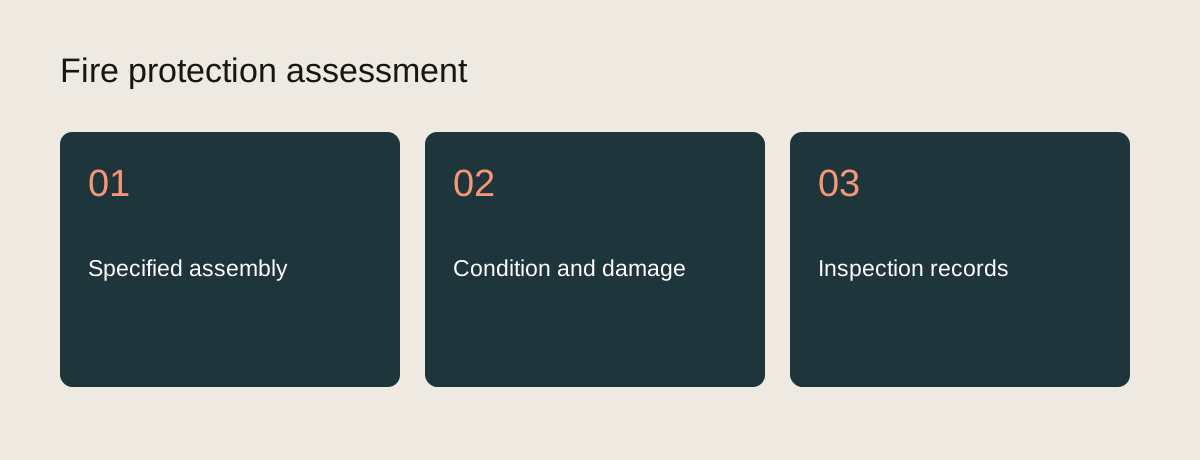
Why specified thickness, adhesion, substrate and inspection records matter to passive fire protection.
Start with evidence
Record the existing substrate, exposure, damage, access and previous work. Photographs are useful when they are labelled as actual projects or clearly identified as representative.
Define performance and constraints
Identify the required outcome, operating hours, adjacent finishes, ventilation, cure or drying time and documentation obligations before selecting a product.
Request a written scope
The proposal should identify preparation, repairs, materials, application limits, exclusions, protection and the party responsible for inspections or testing.
Verify before closeout
Review appearance, coverage, transitions and required records. Keep product and maintenance information with the property file.
Agree inspection before access disappears
Coordinate the installer, reviewer and other trades around a written inspection sequence. Identify which elements will become difficult to reach and schedule the required checks before concealment. Resolve conflicting drawings and system requirements before application rather than asking the crew to choose between them.
Keep measurements tied to locations
Retain the inspection method, results and correction records in the form required by the project. Use drawing references so a later reviewer can locate the area. An isolated number without context is difficult to interpret; photographs should support the report rather than substitute for the required checks.
Sources and editorial note
Published by Industry Army Marketing (IAM). Updated September 28, 2026. This is an independent project-planning article, not an installation specification. Confirm product and assembly requirements using current manufacturer documents and the responsible project professionals.