Industrial coatings · Field guide
Documenting Legacy Coating and Insulation Work
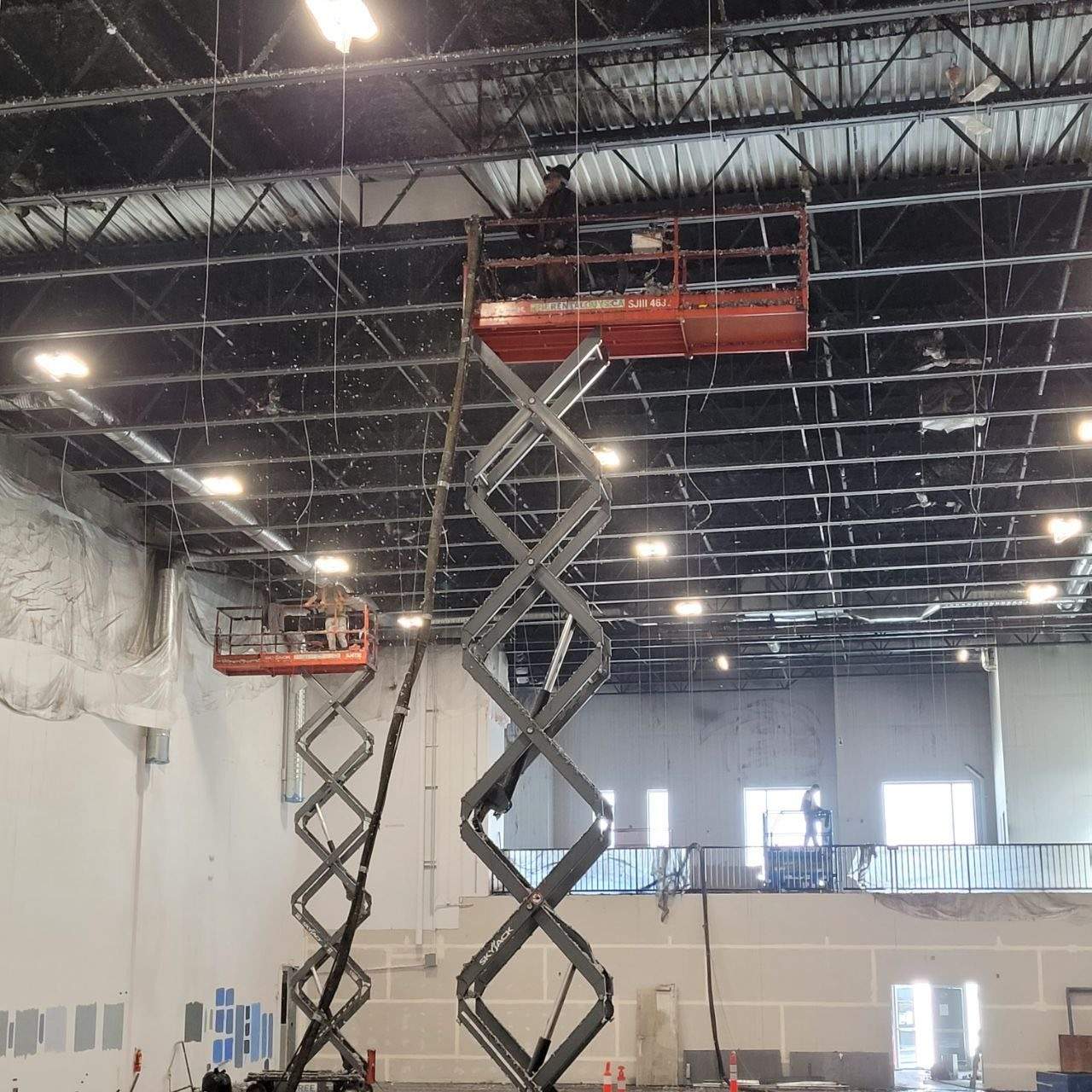
How to preserve old project evidence without mislabelling products, locations or completed assemblies.
Start with evidence
Record the existing substrate, exposure, damage, access and previous work. Photographs are useful when they are labelled as actual projects or clearly identified as representative.
Define performance and constraints
Identify the required outcome, operating hours, adjacent finishes, ventilation, cure or drying time and documentation obligations before selecting a product.
Request a written scope
The proposal should identify preparation, repairs, materials, application limits, exclusions, protection and the party responsible for inspections or testing.
Verify before closeout
Review appearance, coverage, transitions and required records. Keep product and maintenance information with the property file.
Preserve the original evidence
Keep original photographs and documents alongside edited publication copies. Use a register that separates confirmed product, contractor and location details from assumptions. When a caption is corrected, retain the reason and supporting source so an old error is not reintroduced during a future redesign.
Connect the archive to current enquiries
An old installation photograph can illustrate working scale or access without proving current qualifications or service availability. State what is known and ask the current project team to assess its own assembly. Where an image is generated or visibly retouched, make that clear beside the image rather than only in a hidden file.
Sources and editorial note
Published by Industry Army Marketing (IAM). Updated September 28, 2026. This is an independent project-planning article, not an installation specification. Confirm product and assembly requirements using current manufacturer documents and the responsible project professionals.